What is Information Technology? An In-Depth Guide for 2025
Published: October 7, 2025
In our daily lives, what is Information Technology is a concern today. IT has transformed the way we handle information, whether it’s the smartphones in our hands or the software in our companies. But how is IT defined? IT can be described as the use of computers, software, and networks (among other online tools) to store, obtain, and disseminate information. IT is also utilized in many sectors, such as the health and finance industries.
Most people may not realize the extent to which IT has become an integral part of their lives, both at work and in their personal lives. It is a critical domain in the modern world, as individuals rely on IT-developed and digital solutions. It is the basic backbone of business operations and is essential for understanding the business processes and procedures. To be aware of modern business and business processes, one must know about IT.
This guide will explain the nature of what is information technology, including its names and types, as well as some of its applications in other fields. It will also explain what makes IT and other fields of study, such as computer science, different, as well as career opportunities in IT, IT certifications, and the significance of IT in the digital world.
Table of Contents
- What Does Information Technology Encompass?
- Types of Information Technology
- Why is Information Technology Important
- Examples of Information Technology in Everyday Life
- Software vs. Hardware: Understanding the Difference
- Information Technology vs. Computer Science
- Careers in Information Technology
- IT Skills and Certifications
- IT Industry Overview
- What is an Information Technology Degree?
1-What Does Information Technology Encompass?
Technology is the utilization of computers. IT/ what is information technology is, as well, concerned with procuring hardware and equipment (computers, networking equipment, and servers) and with procuring the software (programs, digital systems, and applications) that is necessary in the processing and storage of information. IT, then, assists people and organizations in the useful movement and administration of information.
Telecommunications, cloud computing, and artificial intelligence are examples of the many areas of technology that IT addresses, alongside analytics, cybersecurity,cybersecurity, and the digital economy. Digital economics also relies on the IT-based general telecommunications and networking infrastructure.
In any case, the user must identify the IT tools and techniques that are implemented. This can involve the development of software applications and the installation of a network infrastructure designed to protect data against cybercrimes. In all such instances, IT equipment, implementation, and methods prove invaluable.
2-Types of Information Technology.

what is information technology IT is a multidimensional and comprehensive thing. It will help you in gaining a better understanding of how the industry operates by becoming familiar with the different classes.
1. Information Systems
what is Information technology systems is concerned with the collection, storage, and analysis of data. This is an area, primarily on the functional side of IT, that deals with the way businesses and other organizations use information to meet organizational objectives, ease operations, and help in decision-making in operations.
2. Software Development
It is a science that deals with the design, implementation, testing, and maintenance of software applications implemented in computers, mobile devices, and other technologies. Applications themselves may be as basic as a utility or as sophisticated as a system in a broad spectrum of applications, such as healthcare, banking, and entertainment.
3. Network Administration
This discipline involves administrative positions in a computer network. Most importantly, it is the network administrator who bears the responsibility of ensuring that security measures are implemented in the network in an effort to ensure that the systems are not exposed to unauthorized intrusion.
4. Cybersecurity
It is a novel field in technology, which involves the protection of computer systems and information against theft and abuse and unauthorized access. Cyber infiltration and criminal use of technology have become a reality and have led to the emergence of cybersecurity personnel as a crucial aspect of the security and confidentiality of computer systems and data.
5. Cloud Computing
Cloud computing enables users to save and retrieve data and applications on the Internet, rather than on local servers or hard drives. It belongs to the number of rapidly expanding what is information technology industries that can grant businesses greater scalability and flexibility.
6. Artificial Intelligence and Data Analytics.
Data analytics is the process of analyzing data collections with the goal of gaining valuable information that can be used to inform decision-making. The development of machine learning and artificial intelligence (AI) creates intelligent and adaptive software that processes the information and applies it in the context of automated systems.
3-Why is Information Technology Important?
It is not just a tool but a change agent and an innovation. IT is core to any business, and its justifications can support innovation and change. Through IT, every business can develop and improve productivity, enhance and/or intensify communication, and refine operations across the entire business unit.
- Improved Productivity: what is information technology IT has the potential to help a firm automate processes, streamline operations, and allocate resources more efficiently.
- Better Communication: With email, video calls, and chat programs, communication is not restricted, and it is instant even when the country or time zone is separated.
- Improved Decision Making: As the trend involves utilizing data analytics and AI solutions to inform decisions, it will lead to more informed and outcome-based corporate strategies.
- World connectivity: Geographic space becomes nonexistent as Information Technology (IT) is introduced, allowing companies to compete globally and interact with counterparts on the other side of the world, as is the case.
4-Examples of Information Technology in Everyday Life
.IT is not a sphere of business; it is a part of our everyday life. Other instances of such influence in our day-to-day life are:
- Smartphones: Smartphones harbor and maintain the connection tools (mobile apps, cloud networks) and the information tools (internet) required to network in the digital world and harbor an array of applications to keep it informed.
- Social Media: Twitter, Instagram, and Facebook. They create and maintain the infrastructure that is needed to store and process user data. They integrate all experiences across mobile, desktop, and tablet devices.
- E-Commerce: This is owed to the online shopping using the IT architectures that provide secure online payment systems, create and run digital storefronts, and maintain customer data to provide personalized data services.
- Healthcare: IT is implemented in the management of patient data, the processing of data that should improve care, and the conducting of telemedicine consultations.
- Entertainment: IT systems that support entertainment applications, such as Netflix and Spotify, enable large volumes of data to be stored and deliver content more quickly.
5-Software vs. Hardware: Understanding the Difference
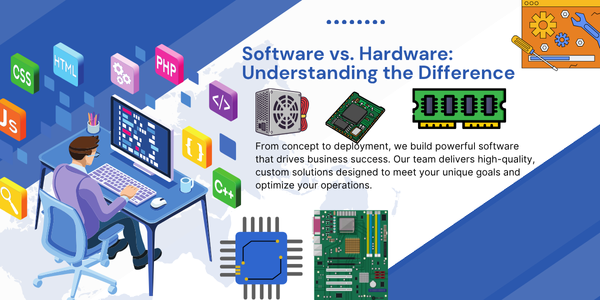
Among the first questions that are raised when we hear about IT is what the difference is.
between software and hardware. Here’s the distinction:
- Hardware the physical components of a computer system are referred to as hardware, including computers, networks, and other involved networking equipment. The hardware forms the foundation on which the computer systems are constructed and on which the software is developed.
- Software, the software, which is a set of programs that determine what the hardware should do, is nevertheless called software. Computer software, including computer operating systems and application software such as word processors, web browsers, and games, is all found within the software.
6-Information Technology vs. Computer Science
what is information technology IT and computer science are applied under the umbrella of what is information technology and tend to be used interchangeably. But there are very many ways in which they differ:
Information technology (IT) is a pragmatic application of technology, focusing on the management of networks, hardware, software, and cybersecurity.
Computer Science (CS), in turn, is more theoretical, dealing with the development and design of various algorithms, programming languages, and the structure of software systems.
7-Careers in Information Technology
The IT industry is among the most rewarding and differentiated sectors in terms of career prospects. The best known are as follows:
- Software Developer
- Network Administrator
- Cybersecurity Specialist
- Data Scientist
- IT Support Specialist
With the increased demand for IT specialists, opportunities in the field are almost unlimited.
8-IT Skills and Certifications
With this choice, one can determine how well they are able to manage technology and its impact on organizational performance and efficiency.
This is due to numerous skills and certifications that can help you succeed in the preferred IT career. The skills that should be developed are
- Programming Languages: Python, Java, C++, and so on.
- Networking Knowledge: TCP/IP, VPN, and Firewall Knowledge.
- Cybersecurity: Knowledge and familiarity with encryption, white hat hacking, and risk management.
- Cloud Computing: What is AWS, Azure, or Google Cloud?
Certificates such as CompTIA A+, Cisco, and Microsoft CCNA, as well as MCSE, can make you more reputable and lead to better-paying opportunities.
9-IT Industry Overview
The IT industry has evolved significantly over the last several decades. It has in the past been focused on computers and software. Nevertheless, with the emergence of AI, big data, and cloud computing, the industry has acquired an enormously vast and diverse range of technologies. The industry will continue to progress due to the development of new technologies.
10-What is an information technology degree?
IT degrees generally include a mix of subjects related to what is information technology and technology, such as programming, systems analysis, networking, and cybersecurity. It will help you navigate different directions of interest to establish your own career in the IT arena. You can start at the level of technical support and start ascending the ladder to many senior management positions.
Conclusion
One of the main areas is what is information technology. More to the point, it is a new phenomenon of modern life. It dictates how people relate to one another, how society is structured, how people are employed, how people communicate, and even how people interact with the environment around them. The world of technology is dynamic, and there is a need to know the basics, newer trends, and emerging career opportunities to approach any digital environment in the best way possible. It will remain a significant foundation of any future wisdom of all the best value. Every day, it is growing increasingly essential.
FAQs
1-What is Information Technology (IT)?
what is Information technology involves the use of computers, computer software, and networks to store and share information and perform various tasks in different fields.
2-Why is information technology important?
IT enhances personal technology, streamlines business operations, and promotes communication and innovation in every area.
3-Information technologies—what are they?
IT is a vast field, encompassing software development, network operations, cybersecurity, data analytics, and cloud computing.
4-What is unique in IT and computer science?
IT utilizes existing technology to provide solutions. Computer science, on the other hand, is concerned with the production and design of technological systems.
5-When pursuing a career in information technology,
One must first acquire the necessary skills, certifications, and a degree in what is information technology to gain practical knowledge and open up career opportunities.





- Be Respectful
- Stay Relevant
- Stay Positive
- True Feedback
- Encourage Discussion
- Avoid Spamming
- No Fake News
- Don't Copy-Paste
- No Personal Attacks
- Be Respectful
- Stay Relevant
- Stay Positive
- True Feedback
- Encourage Discussion
- Avoid Spamming
- No Fake News
- Don't Copy-Paste
- No Personal Attacks
